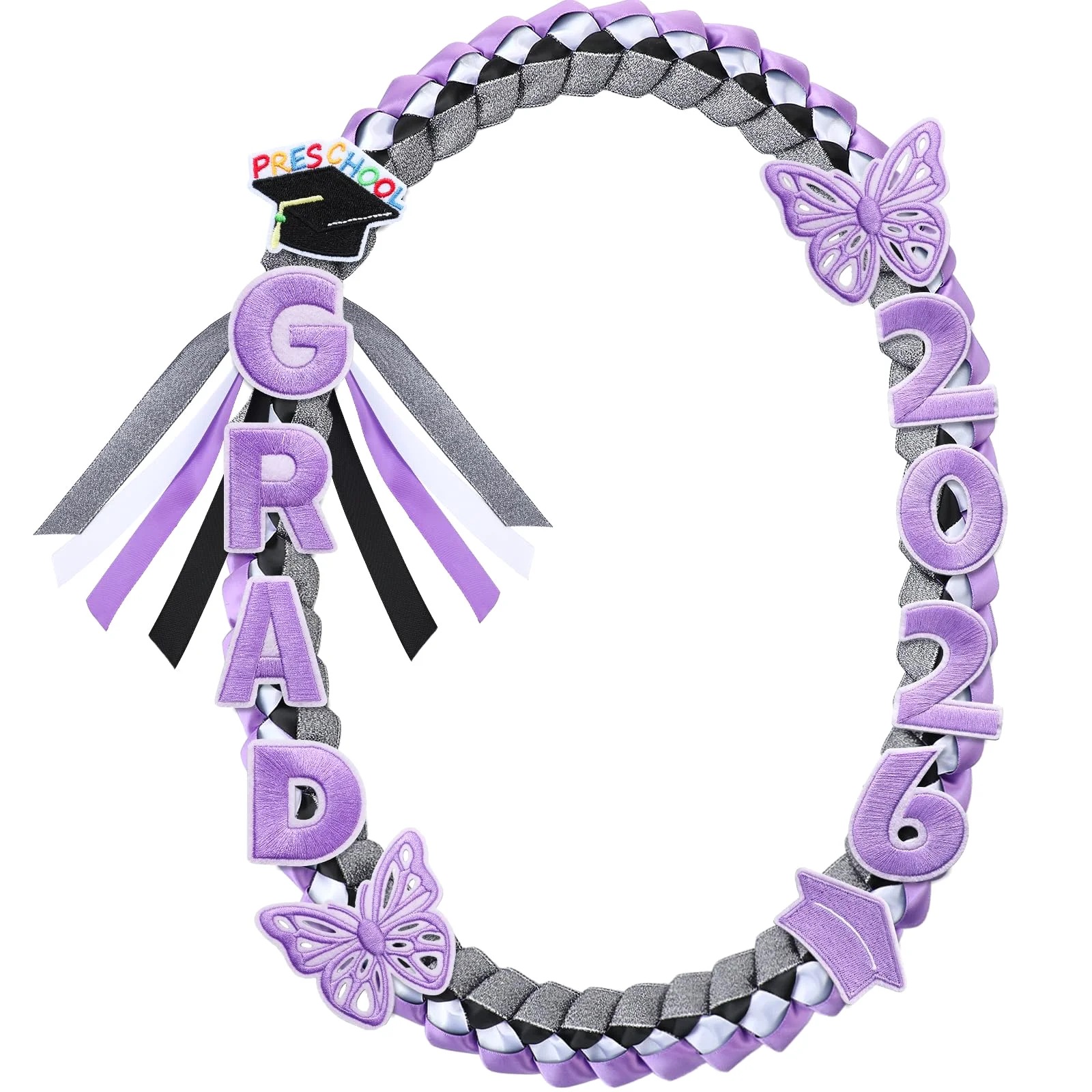
Graduation is the one celebration that arrives with its arithmetic printed on a class list. Twenty-four names, one stage, one afternoon. Nobody has to guess how many graduates there will be, and yet every June the same scene repeats outside gyms and auditoriums: a parent counting leis in a car boot and coming up one short, with the ceremony doors already open.
It is also the celebration most likely to be planned by committee, and the committee always stalls on the same number: how many leis to collect money for. Someone counts graduates, someone adds siblings, someone insists on spares for the photo line, and the spreadsheet waits while the count wobbles. That is the moment everything else depends on. Once the number holds, the shopping list writes itself, so the counting method comes first here and the list falls out of it.
The shortfall never starts at the shop. It starts at the kitchen table, where the plan quietly counted children instead of moments. A graduate is one person but several moments: the walk across the stage, the photo line afterwards, the grandmother who wants her own picture, the younger sibling who has decided with total conviction that they too are graduating. Count the moments and the shopping list changes shape. That is the whole method here, worked through piece by piece.
The lei: one per graduate is the floor, not the plan
The ribbon lei has become the grammar of graduation in most of the country: a braided necklace in school colours, worn over the gown, kept for years afterwards on a bedroom mirror. The floor of the arithmetic is obvious, one lei per graduate. The plan is larger, and it grows in three specific directions.
First, the spares. A braided lei is sturdy, but a June afternoon is an environment: gowns come on and off, arms go around necks, and somewhere in the photo line a lei ends up on the grass under forty pairs of feet. For a class of twenty-four, two spare leis is the difference between an incident and an anecdote.
Second, the adults who earned one. Teachers who carried a class across a year get draped by tradition in many schools, and the tradition has a way of being remembered at the last minute. One lei per homeroom adult, decided in advance, beats a guilty scramble at the ceremony doors.
Third, the siblings. Anyone who has watched a five-year-old at a graduation knows the negotiation. A handful of extra leis in a simpler colour settles it before it starts, and the family photos are the better for it.
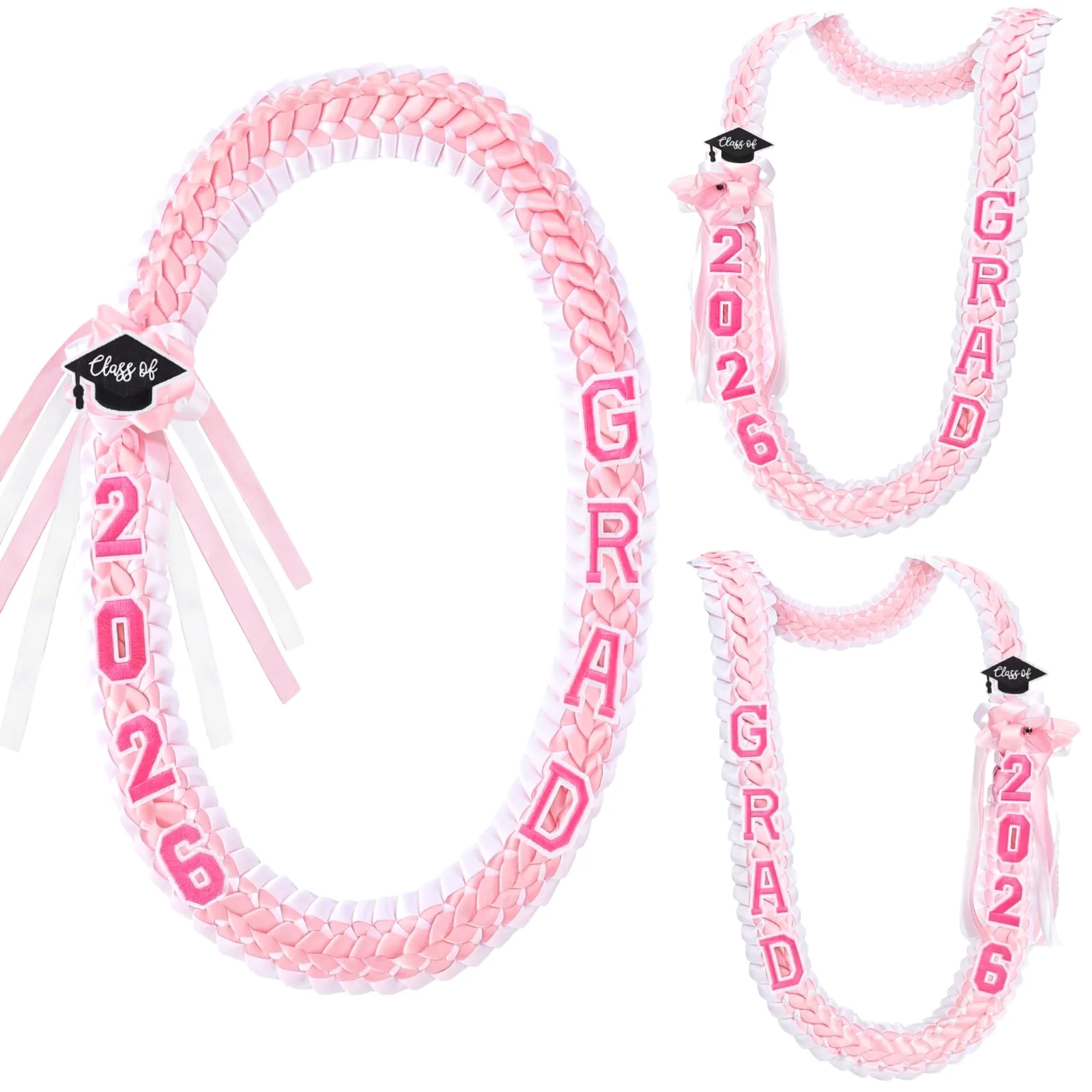
Graduation Money Leis, 2 pcs, White
Graduation Leis
★★★★★ 4.7 · 376 family reviews
Run the additions for that class of twenty-four and the honest count lands at thirty: graduates, spares, adults, and a peace treaty with the siblings. We sell our lei packs as singles and two-packs in the common school colours so that thirty can be hit exactly, twelve two-packs and six singles, done. A pre-made kit never lands on thirty. It rounds the class up to whatever number someone else chose, and the difference is paid for and then binned.
The money lei: a gift that survives the afternoon
The money lei solved a real problem: cash is the most requested graduation gift and the least ceremonial object on earth. Folded into a braided ribbon necklace, the same notes become something a graduate wears through the photo line and remembers unfolding at the kitchen table that evening.
The decorations that ride on the braid, the year numbers, the little mortarboards, the bows, arrive as pinned pieces rather than glued ones on our leis, and the pin is a feature. It means the year slides to sit exactly where the gown neckline puts it, a lopsided bow comes off in a second, and a lei bought for a tall graduate adjusts to a small one at the venue doors. Glued decorations look identical in the bag and cannot do any of that on the neck.
Our money leis come with the braid finished and the folding left to you, which is the correct division of labour. The braid is the hard part. The folding is twenty minutes of television-adjacent handwork the night before: fan-fold each note in accordion pleats about a finger wide, pinch the middle, and fix it into the braid loops with the note fanned open. A twenty-note lei reads as lavish. A ten-note lei with the notes fanned wide reads nearly the same, which is a useful fact when several graduates in one extended family are being honoured in the same month.
The denominations are their own small craft. Twenty notes of one dollar make a fuller braid than two tens, because fullness is a function of the fold count, not the total. Families who want a larger gift inside the same look fold the outer loops from singles and tuck the larger notes into the two loops beside the clasp, where the graduate finds them last. It is a small theatre, it costs nothing, and by every account it is remembered longer than the total.
The teacher and the coach, settled in one line
Every class has two or three adults whose gift question circles the group chat for weeks. The bench answer is to fold them into the same order: one lei in the school pairing for each, draped at the ceremony rather than wrapped in paper. A drape is public, it photographs, and it costs the class fund a single line item instead of twenty-four separate guesses. The coach who pretends to be embarrassed keeps the lei on the rear-view mirror for years, which is the entire point.
Kindergarten and preschool: smaller necks, earlier bedtimes
The small-graduate ceremonies run on the same arithmetic with one adjustment: the lei itself is sized for a child, shorter in the drop and lighter in the braid. The kids’ money lei packs on our celebration shelf are cut for exactly this, and the colour range covers the classic school palettes. White and blue for a kindergarten, burgundy and gold for the seniors: what the camera wants is one pairing repeated down a line of gowns, whatever the size of the gowns.
Corsages: the wrist side of the ceremony
Where leis honour the graduate, wrist corsages honour the orbit: mothers and grandmothers at the family dinner, the teacher being thanked, the graduate herself at the evening party after the gown comes off. Each of them needs a band that fits without help, and the elastic back does exactly that, stretching over any wrist and holding without a pin. A pin near a silk dress is the failure the elastic exists to retire.
The count follows the dinner table, not the class list: one band per honoured adult, plus two spares for the elastic-and-champagne factor. A four-set covers most families with the spares built in. For a larger party, the eight-piece sets keep the per-wrist arithmetic sensible.
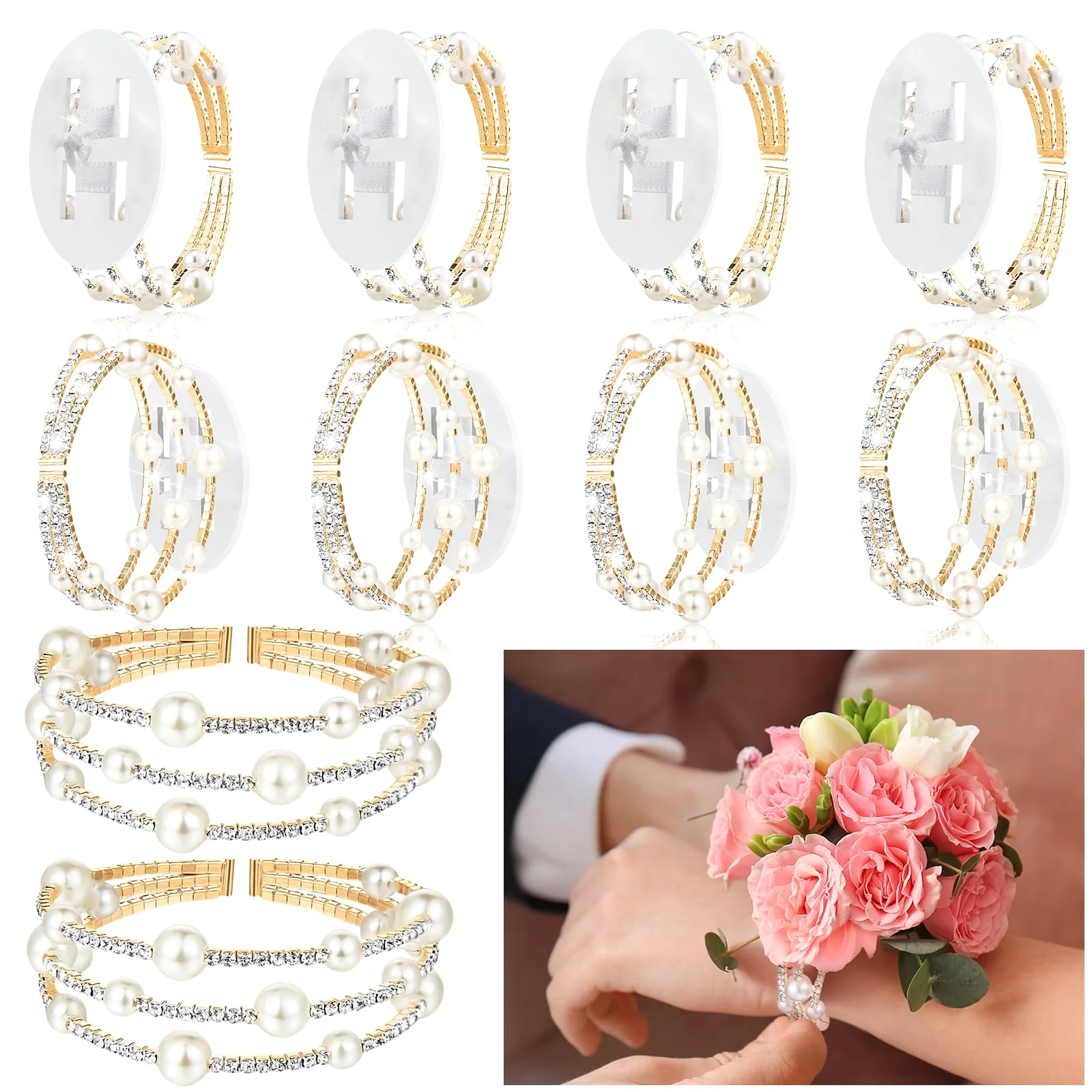
Wrist Corsage Bands, 8 pcs, Gold
Wrist Corsages
★★★★☆ 4.1 · 98 family reviews
The party after: the same list, one more pass
The ceremony ends and the arithmetic starts again, because the party runs on the same class list with different objects. Favours for the guest table are the clearest case. One bag of jelly bracelets holds a hundred, one bag of motivational bands holds three hundred, and either covers the party, the younger siblings and the cousins nobody warned anyone about. What makes a favour a good favour is the exit: these leave on wrists instead of in the bin bag with the tablecloth.
The same logic carries fundraisers and spirit days through the school year, and it fits on an index card: order against the roster, one per person, margin for the classmate who takes two. Awareness laces by the pair, bracelets by the hundred, the roster names the number and the bag covers it. A parent association that learns the index card in June tends to keep it all year.
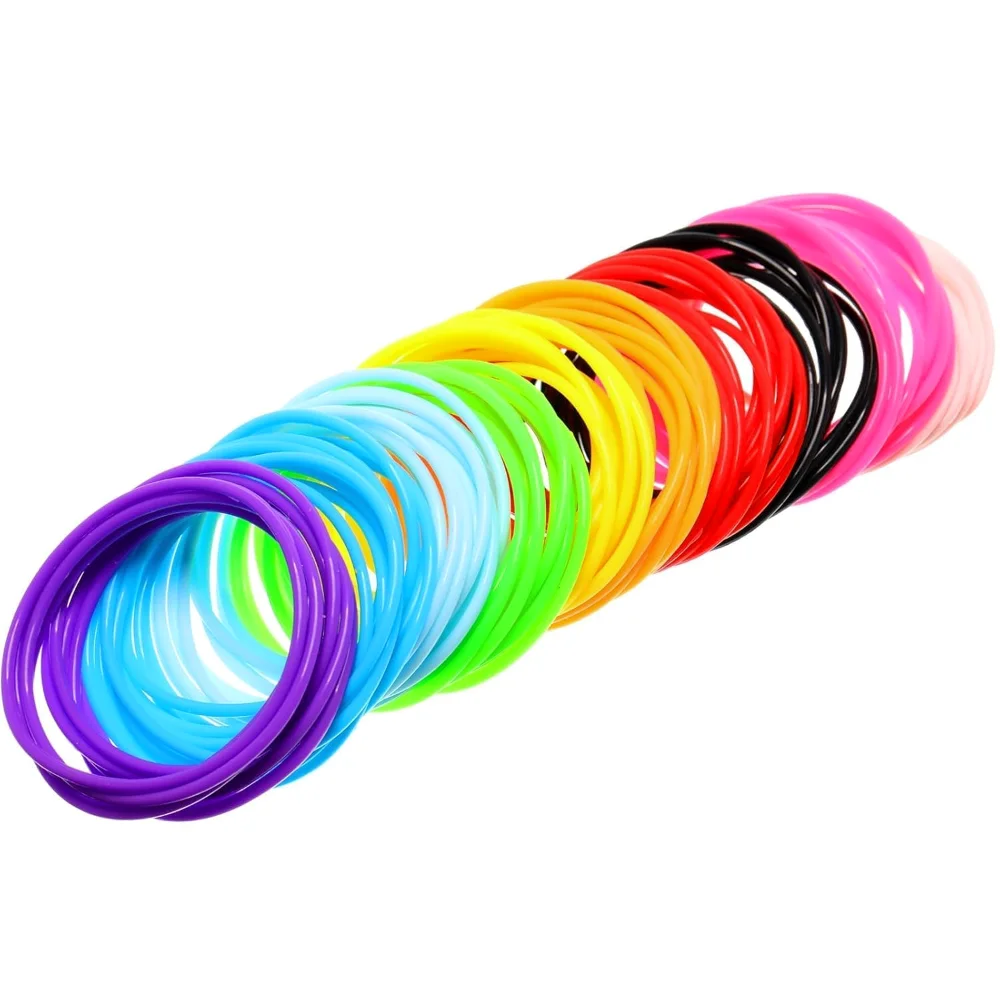
80s Jelly Bracelets, 100 pcs, Multicolor
Bulk Bracelets
★★★★★ 4.5 · 1,096 family reviews
Lanyards belong in the same pass. A twenty-pack of ID lanyards covers a class trip, a cruise reunion or the volunteer table at the party itself, one badge per neck, clips included, and the leftover half-pack becomes next season’s field-day equipment. The pattern is the same each time: the roster names the number, the pack covers it with spares, and nobody makes a second trip.
The college version: adults, cords and a bigger dinner
A college graduation shifts the weights but not the method. The graduate is an adult with a bigger orbit: grandparents travel further, partners attend, and the family dinner grows from one table to three. The lei arithmetic holds at one per graduate plus spares, but the corsage line grows fastest, because the number of honoured adults roughly doubles. An eight-set of bands per family, rather than a four-set, is the college default in our reading of what buyers actually reorder.
The money lei also changes character. For an eighteen-year-old it is pocket money made ceremonial. For a twenty-two-year-old it is often the family’s collected gift, folded from larger notes, and the braid is chosen in the university colour rather than the school one. The folding technique is identical, the evening it takes is identical, and the unfolding at the kitchen table is, by every account we read, exactly as satisfying.
The class-parent playbook: one order, one bench, one box per family
Somebody always ends up running the class order, usually a volunteer with a spreadsheet and a deadline. The playbook that survives contact with twenty-four families is short. Collect the count first and the money second, because the count is what the order is built on and the money follows a number more willingly than a guess. Order the full class from one line in one pass, for the colour-discipline reasons above. Add ten percent in spares before rounding to the pack size, not after.
Then run one bench evening, not twenty-four. Families fold their own money leis, but the class-order pieces get bagged per family at a single table in a single hour, labelled with the graduate’s name. The labelled bag is the whole difference between a calm distribution at the gate and a car-boot rummage while the processional music starts.
The photo line: where every count gets audited
The photo line deserves planning as a place, not just as a moment. It forms wherever the light is kindest and the crowd can spread, outside the doors or along a fence line, and it lasts about forty minutes. The family that walks out with a plan, grandparents first while everyone is fresh, the class group in the middle, the silly ones at the end, gets every photograph that matters. The family that improvises gets whichever combinations happened to be standing together.
Whatever was bought gets audited in the same forty minutes, and the audit is public. This is where the spare lei earns its keep, where the sibling lei prevents a scene, and where colour discipline shows. A class photographed in one shade of gold reads as a class. A class in three near-golds reads as a rummage, and the difference was decided weeks earlier at a kitchen table.
The discipline is the same one that runs through our whole range: buy one colour from one line in one order. School colours are unforgiving because they sit side by side on every gown in the frame, and two near-golds from two sources will read as two different golds the moment they share a photograph. Every colourway we pack is one dye lot, so the fix is structural: order the full count from a single pack line and the question never comes up. The principle is written up from the florist side in Wedding Flowers by the Count, and it transfers to ribbon without modification.
| Who | The moment being covered | Count |
|---|---|---|
| Graduates | The stage walk and the photo line | 24 |
| Spares | The grass under the photo line | 2 |
| Homeroom adults | The thank-you drape | 2 |
| Younger siblings | The peace treaty | 2 |
| Money leis | The gift that gets worn | per family, folded the night before |
| Wrist corsages | The family dinner | 4 to 8 per family |
Reading a school palette before you order
School colours look simple on a crest and get complicated on ribbon. Most palettes are a dark and a light: navy and white, burgundy and gold, green and silver. The braided lei carries both by construction, one ribbon of each wound together, so the first question for the class order is not which colour but which pairing, and the second is whether the accent reads as gold or as yellow, because those are different ribbons and the gowns will tattle.
Where the palette is unusual, the safe order is the classic two-tone braid in the nearer pairing rather than a hunt for an exact dye. A lei is read from six feet away against a gown, not held against a paint chip, and the pairing that photographs correctly beats the pigment that matches under shop light. When in doubt, white with the school dark is the pairing that has never once read as wrong in the photo line.
The venue audit: gym, field, auditorium
Where the ceremony happens decides a few counts that are easy to miss from the kitchen table. A field ceremony in June is a heat event: ribbon holds up fine, but the corsage spares earn their keep as elastic warms and stretches, and the money lei is better folded from crisp notes the night before than from wallet-soft ones on the morning. Wind is the field’s other opinion, and it is the reason braided leis with pinned decorations beat loose-tied ones outdoors.
A gym ceremony compresses the photo line into a corridor, which doubles the value of the labelled family bags: distribution happens in a crowd, at speed, between folding chairs. An auditorium is the kindest venue and the darkest one, and the only adjustment it asks for is patience at the doors, where every family and every lei arrives at the same eight minutes.
None of this changes the shopping list. It changes what the margins on the list are for: spare leis against the photo line, crisp notes against wallet-soft ones, one extra corsage against elastic gone warm in the sun. Margins are the difference between the plan and the day going the same way.
The night-before bench
Every calm graduation morning was manufactured the previous evening, and the manufacturing is pleasant work if it is treated as a bench session rather than a chore. Lay the class count out in rows and count it twice, the way we count packs before they close. Fold the money leis while the notes are crisp from the bank. Bag each family’s pieces separately and label the bags, because the boot of a car at noon in June is no place for sorting.
Two small tools from the wider Hotop shelves earn their place in the same evening. A handful of S-hooks turns a closet rod into a lei rack, keeping two dozen braids untangled overnight in a way that a cardboard box refuses to. And a spool of ribbon from the baby-shower aisle wraps the gift bags for the party afterwards, in the same school colour the leis already established, because the colour discipline may as well finish the job it started.
After the tassel turns
The display question answers itself in most houses within a week: the mirror corner, the bookshelf edge, the bedroom door handle that was supposed to be temporary. For the families who want it deliberate, a single S-hook inside a closet door keeps the lei out of the sun that fades ribbon, and the graduation photograph beside it does the public-facing work. Ribbon kept out of direct light keeps its colour for years, which is longer than most of the plans made on graduation night.
The leis outlast the day, and they are built to. A ribbon lei keeps its braid for years over a mirror or a bookshelf, and the money lei survives as an empty braid once the notes are unfolded, which most families rehang exactly where the full one hung. The corsage bands go back in a drawer for the next dance season, elastic intact.
What the day actually consumed, it turns out, was arithmetic: moments counted instead of heads, spares built in instead of hoped for, one colour ordered from one line. The class list did the hardest part by publishing the number in advance. The rest fits in one picture: labelled bags lined up in a car boot at nine in the morning, one per family, nothing left to sort. Our celebration shelf keeps the counts ready for the next June, when a new class list arrives with its arithmetic already printed and some other family discovers that calm mornings are manufactured the night before.
